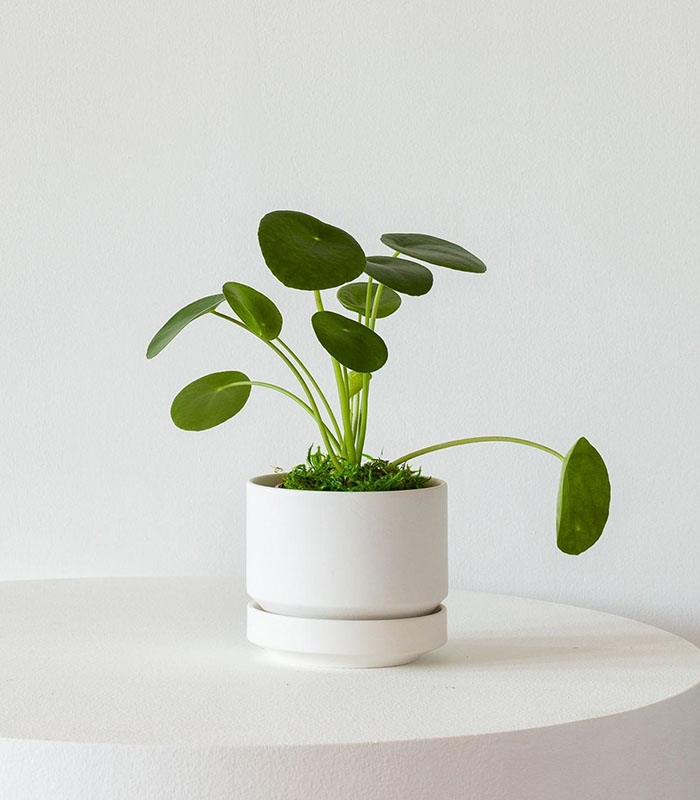
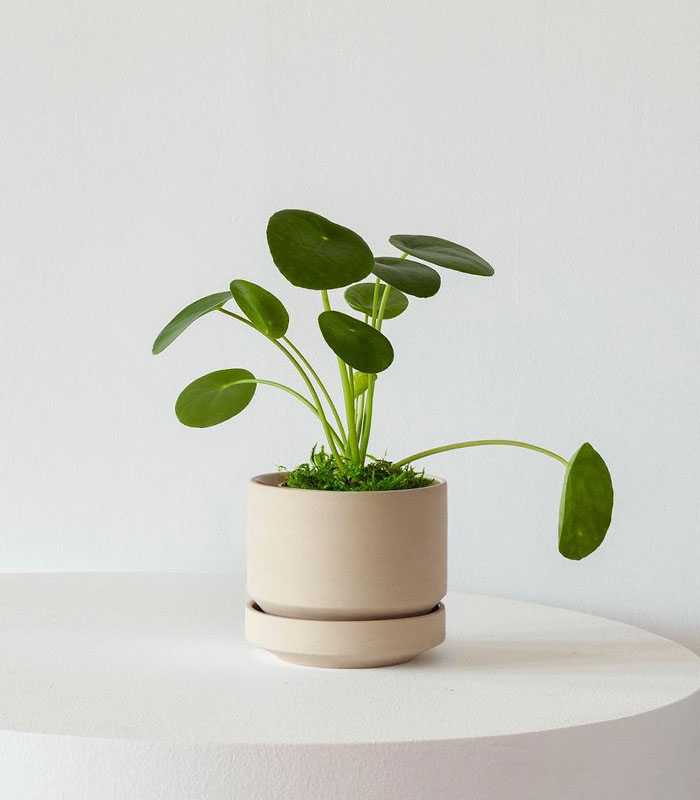
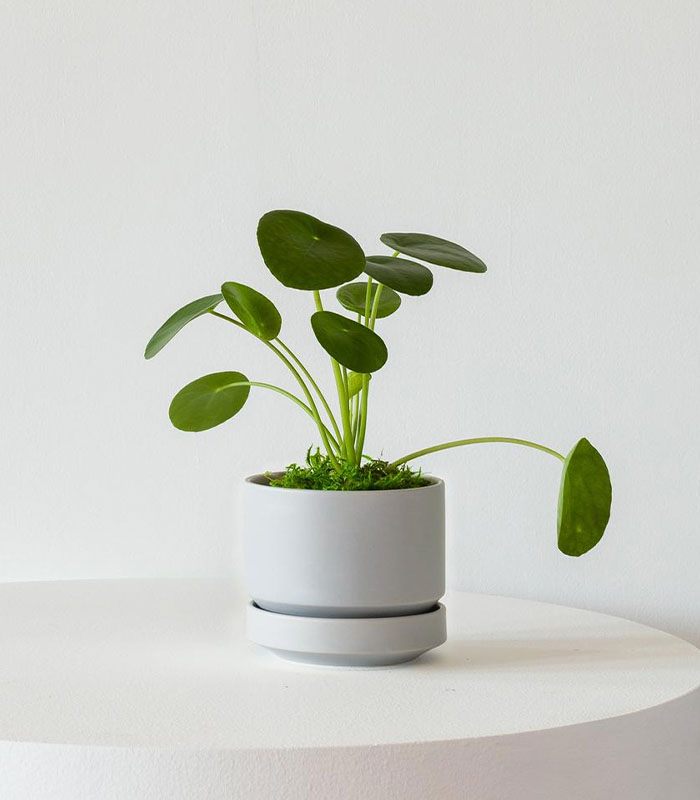
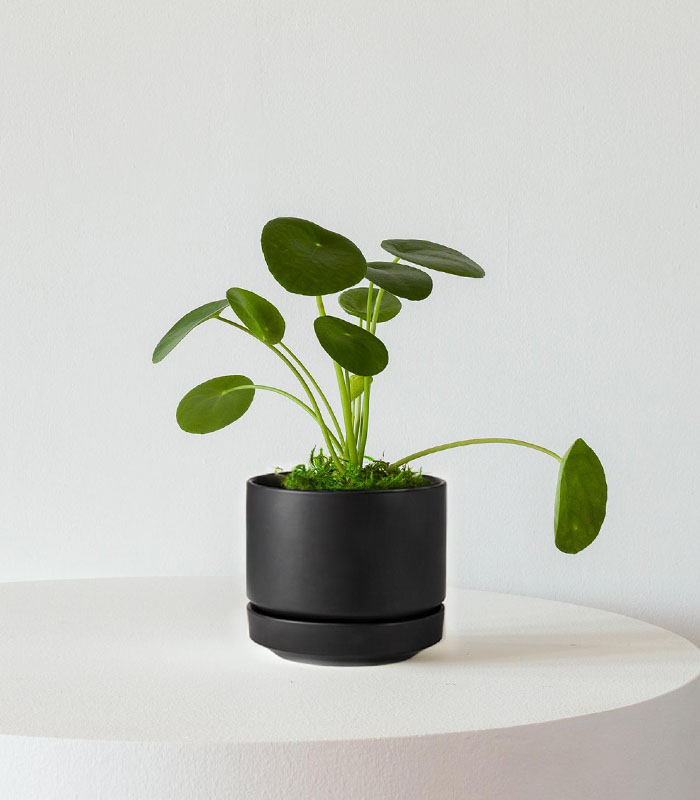


Pilea Peperomioides
$84.00
This plant is native to the tropical forests of Southeast Asia and Oceania. For decades, plants in the Croton family were considered outdoor-only, needing several hours of direct light to thrive.
Croton petra plants are susceptible to the bacterial diseases crown gall and xanthomonas leaf spot, and the fungal diseases anthracnose and stem gall and canker…
| Size |
Small |
|---|---|
| Color |
Black ,Khaki ,Silver ,White |
Livraison offerte à partir de 400€ d’achat
Votre arbre arrive chez vous sous 72 heures, soigneusement préparé.

Retrait en magasin
Votre arbre vous attend en magasin, venez le récupérer quand vous voulez.
Retrait en magasin
Votre arbre vous attend en magasin, venez le récupérer quand vous voulez.

Plus de photos ? Visio sur rendez-vous
Rendez-vous en visio pour voir plus de photos de l’arbre

COMMANDEZ EN 1 CLIC
Toutes nos plantes peuvent rester dans leurs pots de production pendant deux ans.

PLANIFIEZ LA LIVRAISON
On vous appelle dans les 24h pour organiser votre livraison. Et vous donner nos conseils.

LIVRÉ EN 72H
Bénéficiez d’une livraison rapide. Il est possible de planifier une livraison jusqu’à deux mois plus tard.

PROFITEZ DE VOS PLANTES
À vous votre nouveau jardin! Donnez vie et beauté à votre extérieur. Créez un nouvel espace.

Plants
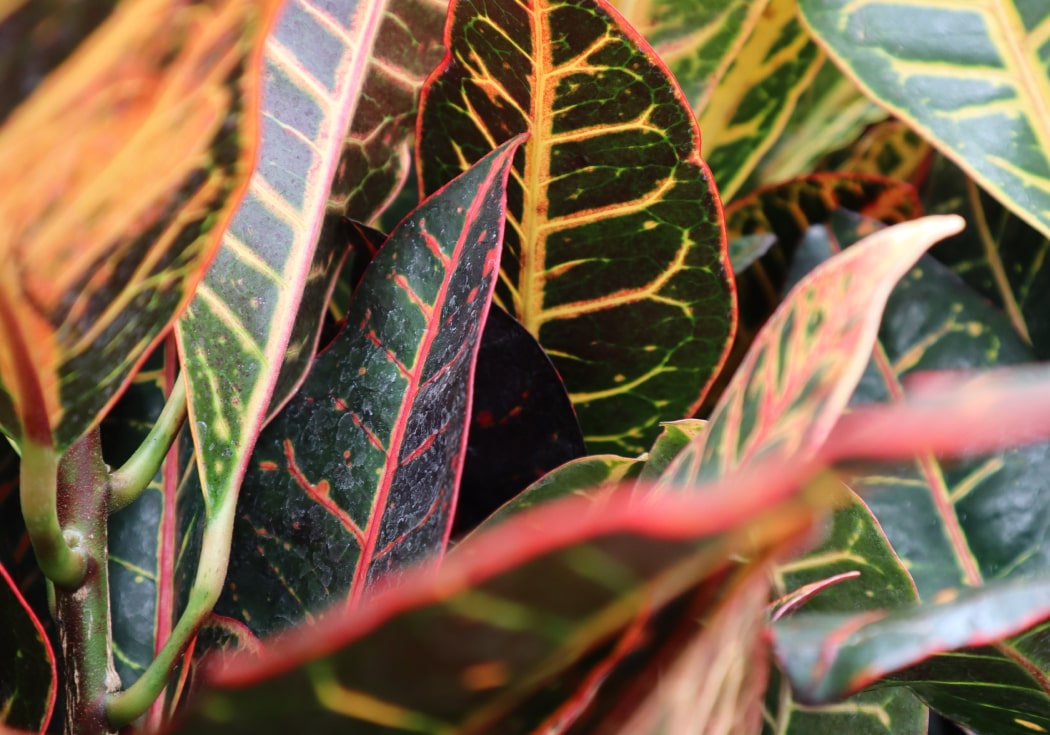
Croton, also called “garden croton,” are native to the tropical forests of southeast Asia and Oceania. In the wild, they grow as large shrubs, reaching up to 10 feet tall (in the home or garden, they stay a lot smaller).
Croton petra plants are susceptible to the bacterial diseases crown gall and xanthomonas leaf spot, and the fungal diseases anthracnose and stem gall and canker. Both crown gall and stem gall and canker present with swelling on the plant's stems, leaf veins and roots and require the pruning of all infected parts in order to be controlled. Xanthomonas leaf spot is identified through the dark brown and black lesions that appear on the leaves. A copper containing bactericide can be used preventatively, but once the plant is infected, it will need to be eliminated. If your plant has anthracnose, you'll notice water spots that turn tan and sometimes have black dots in the center.
Note: All parts of this plant are poisonous—especially the seeds—so it is not recommended for use in homes with curious pets or children. When damaged, croton produce a milky sap that can be irritating to the skin, too.
Visit the plant care library
Here you will find many useful tips for caring your plants.
How to Care for Croton
-
Place croton in a sunny location such as an eastern, southern, or western window. wd-furniture-dot-list
-
Keep the soil evenly moist, but let it dry out between waterings.
-
If humidity is low in your home, mist around the leaves with water once a week.
-
Gently wipe the leaves with a moist cloth twice a month to keep them clean.